Study finds dehydration raises stress levels
Not drinking enough water? Study links dehydration to higher stress levels
- By Gurmehar --
- Sunday, 31 Aug, 2025
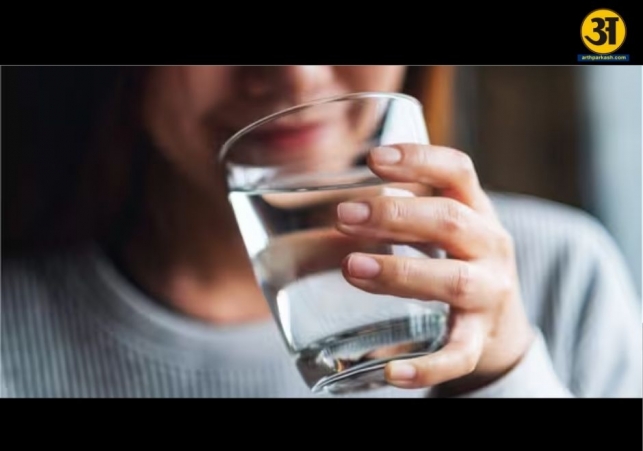
We often think of dehydration as nothing more than feeling thirsty, tired, or perhaps having a mild headache. But new research has revealed something much deeper — dehydration might actually be making our lives far more stressful than we realise. In fact, not drinking enough water can increase the stress hormone cortisol by nearly 50%.
In a world where most of us are already juggling endless deadlines, social pressures, and personal responsibilities, the idea that something as simple as water intake could influence our stress levels should make us pause. Could the key to calmer days lie in something as basic as staying hydrated?
Dehydration and stress: A hidden connection we ignore
A study published in the Journal of Applied Physiology by scientists at Liverpool John Moores University compared two groups of people — those who drank less than 1.5 litres of water per day, and those who met the recommended intake of around 2 litres for women and 2.5 litres for men. After a week of following their daily routines, both groups were asked to face a stressful challenge: a mock job interview and mental math test.
The results were surprising. While both groups felt nervous and showed a rise in heart rate, the group that was dehydrated had a massive spike in cortisol — the main stress hormone — more than 50% higher than the well-hydrated group.
Why does this happen? Scientists say it is linked to a hormone called vasopressin, which the body releases when we are dehydrated to save water. The problem is that vasopressin also activates parts of the brain connected to stress. This means that even before we notice thirst, our body is already under pressure — and stress hormones are rising silently.
This is not just a medical discovery. It’s a wake-up call. We live in an age where stress is often blamed on work, family, or financial struggles. Yet here lies a simple truth: our bodies may be amplifying stress signals simply because we are not giving them enough water.
Water as an everyday shield against pressure
The opinion worth considering here is simple: if we want to build resilience in today’s fast-paced world, hydration must be treated as seriously as sleep, exercise, or meditation. Stress today is not just an occasional event; for many, it has become a constant condition of modern life. Small lifestyle shifts can therefore have big impacts.
Think of a presentation, a job interview, or even the daily grind of commuting. If your body is under-hydrated, it may respond to these pressures with a much sharper stress reaction — not because your mind is weaker, but because your physiology is working against you.
This also means hydration is not just a medical recommendation, but a social one. Workplaces, schools, and even public health systems often emphasise exercise or healthy food but rarely remind people of water intake. Imagine if offices encouraged employees to keep bottles at their desks, or if schools built water breaks into schedules with the same seriousness as recess. These tiny steps could collectively reduce stress for millions.
In a society where mental health is becoming a bigger concern every year, shouldn’t we also focus on the most basic, low-cost, and universal solution available to everyone?
Small steps for big changes
What can ordinary people do? The research suggests a few practical and very simple steps:
-
Drink water regularly throughout the day, not just when thirsty.
-
Check urine colour — light yellow usually signals good hydration.
-
Eat water-rich foods like fruits and vegetables.
-
Adjust water intake during exercise, heat, or illness.
-
Set reminders if you tend to forget in busy workdays.
These are not new pieces of advice, but the difference is in how we frame them. This is not just about avoiding dry lips or headaches. This is about protecting ourselves from unnecessary stress, improving focus, and giving our bodies a chance to remain steady under pressure.
Opinion: A call for rethinking hydration
At ArthPrakash, we believe this study highlights an uncomfortable truth — society often ignores the simplest solutions in the chase for complex answers. Mental health programs, stress workshops, and wellness apps have become booming industries. But here we are, discovering that a glass of water could sometimes do more than a motivational quote or breathing exercise.
Of course, hydration alone will not remove the pressures of modern life. But if we can use water as a shield to reduce the intensity of stress hormones, why would we not? Public campaigns about stress should no longer overlook this. Doctors, policymakers, and community leaders must spread awareness that hydration is not just about physical health, but also about mental resilience.
This is especially relevant in India, where long working hours, urban heat, and hectic travel already place extra strain on people. If something as affordable and accessible as drinking enough water can provide relief, then it deserves national attention.
ALSO READ: How technostress is affecting Gen Z’s mental health
ALSO READ: Trump’s tariffs on India take effect: Sectors impacted and exemptions explained
Conclusion: Hydration as resilience in stressful times
The study’s message is clear: dehydration does not just leave us tired; it leaves us more vulnerable to stress. At a time when anxiety and pressure are part of everyday life, hydration is perhaps the most underrated form of self-care.
As an opinion, we argue this — in offices, schools, and homes, water bottles should not be seen as accessories, but as tools of resilience. Just as we are taught to eat healthy and sleep well, we must also be taught to drink water regularly.
The next time stress overwhelms you, ask yourself: could part of the problem simply be thirst? Sometimes, calmness may just be a sip away.
Related News